Are Solar Panels Worth the Investment for Businesses?
5 mins read
Updated: null
Explore the value of solar panels for businesses: cost savings, energy independence, and enhanced property value. Is it the right choice for you?
Compare solar prices
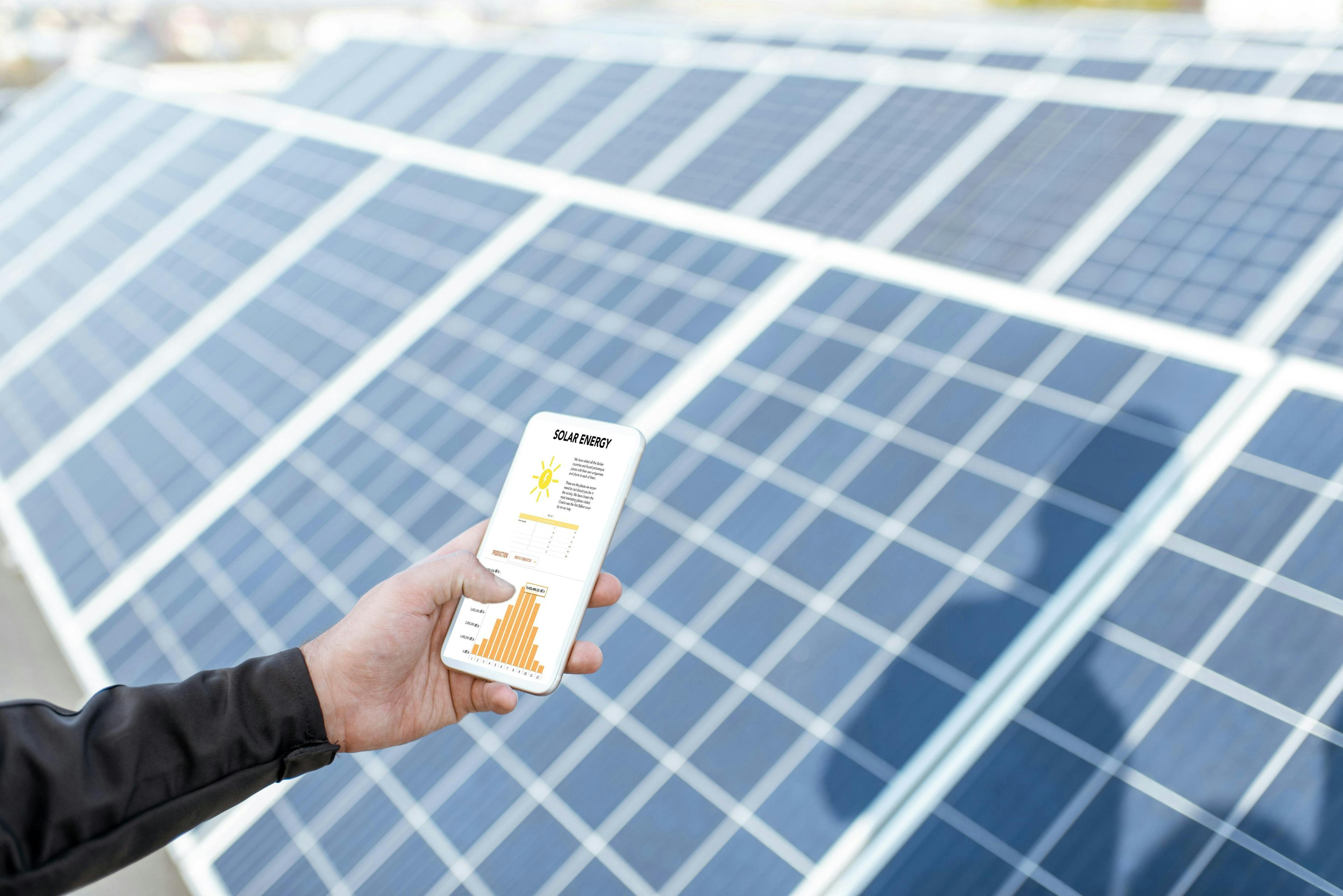
Solar power has the potential to be a game-changer for cheap and sustainable energy. The sun will never stop shining, so it is an infinite resource, and with the case for shifting to greener energy getting ever stronger and at a time when non-renewable energy prices have been haywire, there are both strong ethical and business cases. But the solar power industry is still maturing, so is this case strong enough yet?
Pros and Cons of Solar Panels for Businesses
There are definite benefits to businesses going solar. These include, but are not limited to, the following:
What are the Benefits of Solar Panels for Businesses?
Cost Savings on Energy Bills
As we’ve seen in recent times, the cost of fossil fuels can fluctuate dramatically, and as time progresses, they’re only likely to increase further. Solar panels enable your business to generate its own energy, offering powerful financial benefits in the process. You’ll be able to lower your dependency on the national grid, and while the savings will be highly dependent on your set-up and business energy use, they could be substantial.
Government Incentives and Grants
Several incentives and grants are available from the UK government for businesses that invest in solar panels. The Smart Export Guarantee (SEG), for example, is a scheme that pays businesses for any excess energy they generate and export back to the grid. This can provide an additional income stream for businesses with solar panels, helping to offset the initial installation costs.
Low Maintenance Costs
Solar panels require little maintenance once they are installed. Most solar panels come with a performance warranty of 25 years or more (guaranteeing a minimum power output over that period), and many now carry product warranties of a similar length, with their working lifespan often extending beyond this with proper care. This low level of maintenance means that your business could enjoy the benefits of solar energy for many years with minimal ongoing costs.
Reduced Carbon Footprint
Installing solar panels can significantly reduce your business's carbon footprint, which is a beneficial action in its own right. But you can benefit beyond financial savings. Solar panels are a highly visible badge, demonstrating your commitment to sustainability and this can potentially attract environmentally conscious customers. It also helps your business meet government targets for reducing greenhouse gas emissions.
It’s not all good news, though. There are also potential drawbacks that you should take into account before taking the plunge.
Drawbacks of Solar Panels for Businesses
Initial Investment Outlay
The main drawback of solar panels for businesses is the initial investment cost. Depending on what you need, the cost of installation can be significant. However, the long-term savings on energy bills and government incentives can help offset these costs over time.
Reliance on the Great British Weather
Solar panels generate electricity from sunlight, so their efficiency can be affected by this country’s occasionally inclement weather conditions. However, solar panels can still generate electricity on cloudy days, albeit at a reduced rate. It is essential to consider your business's location and average sunlight hours when deciding whether solar panels are a worthwhile investment.
Physical Requirements
Solar panels take up physical space. They require adequate space for installation, whether that be on your business's roof or on the ground. Businesses with limited space may struggle to install a large enough system to meet their energy needs.
Four Factors to Consider Before Investing in Solar Panels
What should you consider when deciding whether to invest in solar panels? There are several competing factors.
Financial Considerations
Over the last decade, the cost of solar panels has decreased, reaching a level where solar is now competitive with other forms of power. Despite this price decrease, solar power remains a substantial investment, particularly for those with limited budgets. Weigh the initial costs against long-term costs and explore financing options.
Purchasing panels upfront is often the most economical decision in terms of return on investment. Eventually, your utility savings will provide a return on your investment. If your budget does not allow for an upfront purchase, you can pay for the panels over time. You should also consider grants and other incentives, which may further reduce the initial outlay.
Feasibility
Before investing in solar, determine how much power you want to produce and whether you’ll have the space to generate it. Depending on the constraints of your space, you may use ground-mounted arrays, roof-mounted arrays, or a combination of the two. Ground-mounted arrays are easy to access but require extra space on your property. Roof-mounted arrays are well suited for denser areas with limited space.
Regulatory and Compliance Factors
There are, broadly, three areas of regulation to which you will need to adhere. Quality and safety regulations apply to all solar panel installations and works, regardless of size, complexity or property type.
All solar panel installations in the UK must comply with local building regulations, particularly concerning structural integrity and electrical safety. These regulations ensure that roofs can withstand the additional loads imposed by solar panels and help reduce the risk of electrical hazards.
If you want to self-certify that your solar panel installations and other components comply with the regulations, you’ll have to join a Competent Persons Scheme. Without this, installers must seek building regulation approval, a process that can be more time-consuming and expensive.
A connection to the local grid enables businesses to purchase electricity from business energy suppliers during prolonged periods without favourable weather conditions. Additionally, small-scale generators can sell excess electricity generated back to the grid through the Smart Export Guarantee scheme.
To participate in solar power grid export through SEG tariffs or other grid integrations, installations must adhere to MCS (Microgeneration Certification Scheme) standards or their equivalent. These standards ensure the quality, performance, and safety of solar systems and are recommended (although not compulsory) for off-grid businesses.
Distribution Network Operators (DNOs) are responsible for distributing electricity from the national grid to local destinations and play a key role in maintaining grid stability and safety, especially when adding new solar installations. They enable the assessment of the installation's impact on the local electrical grid and determine if any adjustments or upgrades are necessary for safe and efficient operation.
Environmental Impact and Sustainability Goals
Everyone will have different priorities. Some building owners aim to generate a portion of their power through solar energy, while others seek to achieve net-zero energy. You’ll want to consider the durability and longevity of the materials being used, alongside how well they align with your wider sustainability goals.
There’s a lot to weigh up when considering solar panels for your business, but the financial savings that can be made, the preferential terms that can be found for making the switch and the decarbonisation of your energy use remain powerful arguments for doing so. Switching to solar energy can future-proof your business against future energy price shocks, reduce your bills, and make a significant contribution to a greener future. Even though the market is still maturing, the case for you to look into it further is growing stronger with each passing day.
Ready to explore your options? Compare business energy deals with SwitchPal to see how solar could work alongside a competitive tariff.
Compare solar prices
Related Guides & Tools
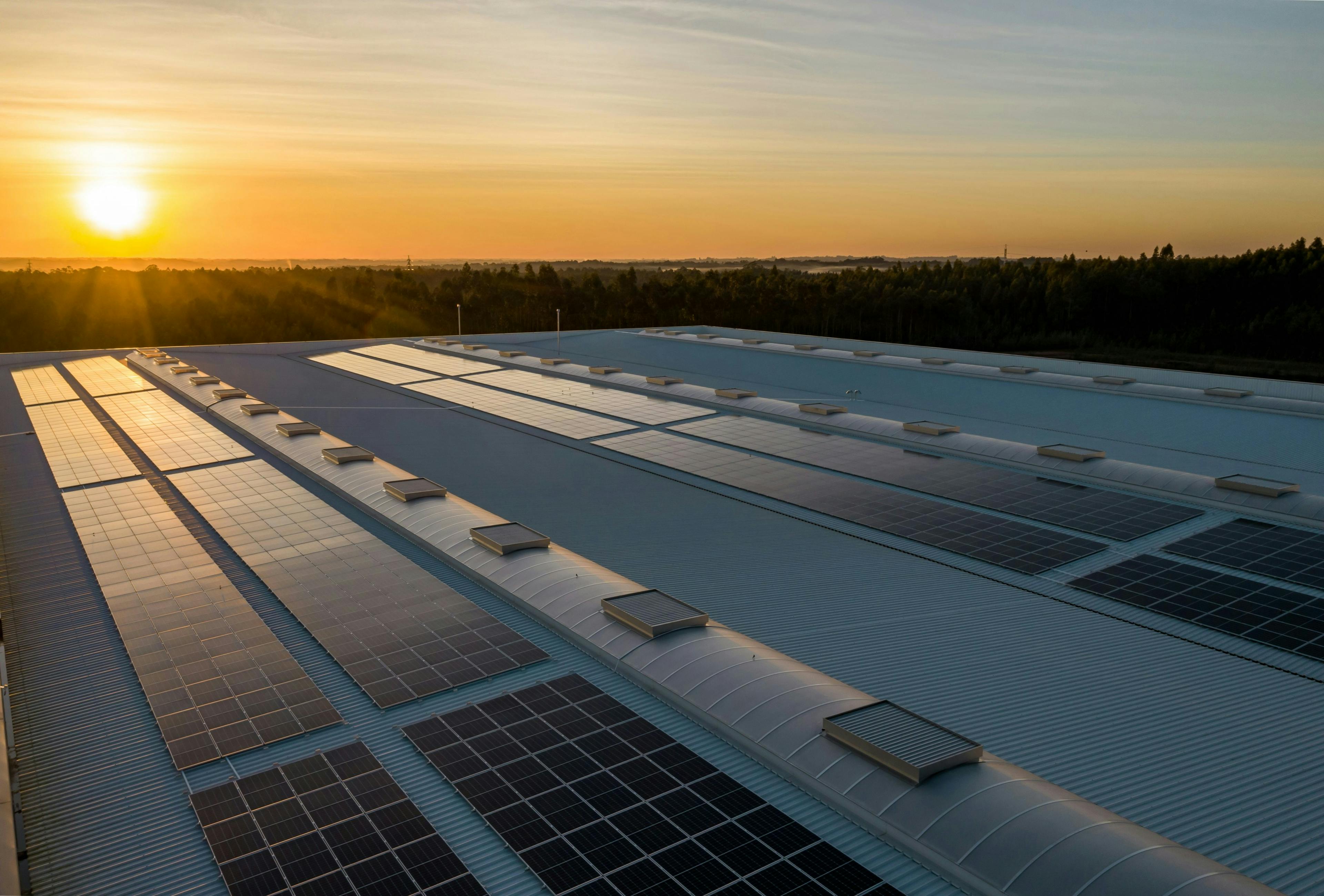
How Much Do Solar Panels Cost For Businesses
Explore the varying costs of commercial solar panels, influenced by system size, panel type, and location, to optimize your business's green energy investment.
Maximising ROI on Commercial Solar Panel Installations
Learn how to maximise the ROI of your commercial solar panel installations. Essential insights for businesses investing in green energy.
Building a Business Case for Solar Energy Investment
A compelling business case for solar energy investment; balancing costs, benefits, and sustainability goals.
Guides & Tools
Get In Touch
© Switch Pal Limited 2026
All rights reserved. Switch Pal Limited is registered in England & Wales: 12545529
Registered address: 66 Paul Street, London, EC2A 4NA
Made with 💜 in London, UK