How To Accept Card Payments Without a Merchant Account
5 mins read
Updated: null
Unlock hassle-free card payments without a merchant account. Explore alternative solutions and streamlined methods for seamless transactions in your business.
Start taking card payments now
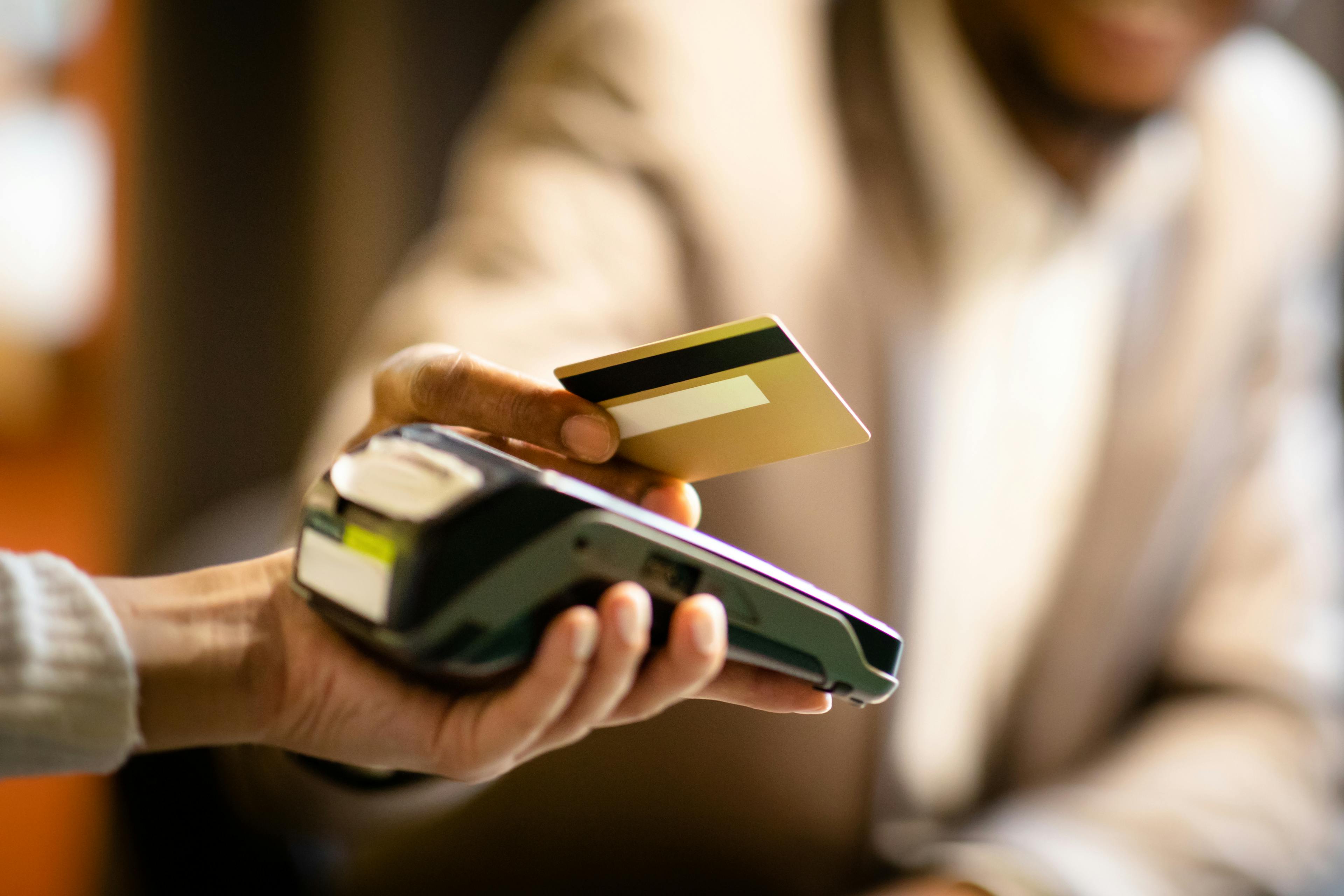
Most of us already know that cards are now king in retail. While cash has held onto a meaningful role in recent years, the credit or debit card is comfortably the most common way customers pay. However, there can be challenges to the traditional method of accepting card payments. Traditionally, you’d need a merchant account to be able to do so.
What is a Merchant Account?
A merchant account is a type of business bank account that allows a business to accept and process electronic payment card transactions. Merchant accounts require a business to partner with a merchant-acquiring bank that facilitates all electronic payment transactions.
A merchant account can be extremely useful for any business. In addition to allowing you to accept credit card payments, merchant account providers offer a range of services, including merchant account setup, merchant audits, e-commerce solutions, online banking services, and more. With a merchant account, you can receive money from credit card transactions, process cheques and accept online bill payments. Some merchant account providers also offer additional benefits, such as free credit monitoring, cash-back offers and discounts on account setup fees.
And the need to accept card payments remains strong. The annual British Retail Consortium Payments Survey found that in 2024, cash accounted for 19.2% of all transactions, while cards made up the rest, with debit cards alone at 64% of transactions. Cash use had actually risen for two consecutive years during the cost-of-living squeeze, reaching 19.9% of transactions in 2023 before easing back slightly in 2024, but cards still accounted for over 85% of all money spent. Around four in five card transactions were made with debit cards, with the remainder made with credit and charge cards.
Challenges of Traditional Merchant Accounts
But the ubiquity of traditional merchant accounts doesn’t make them suitable for everybody, especially for smaller businesses and freelancers. One of the biggest challenges that small businesses face when opening merchant accounts is high fees and charges. Merchant account providers often charge application fees, monthly fees, transaction fees, authorisation fees and minimum monthly fees. They soon start to eat into your profit margin, to a point at which it can begin to feel as though everybody is entitled to a piece of your revenue apart from, well, you! Additionally, credit checks are typically required to open them, and not everyone will pass them, while approval times can be long, especially if you’re considered a higher-risk business.
Alternatives to Traditional Merchant Accounts
Fortunately for those who don’t want to open a merchant account, there are now plenty of alternatives for those who still want to accept card payments.
Payment Gateways
For businesses operating in the digital sphere, there are straightforward ways to accept card payments without a merchant account. Payment service providers such as PayPal, Stripe, and Square offer online payment gateways that can be easily integrated into your website or e-commerce platform.
Third-party processors
Another option is to use a payment facilitator service. A payment facilitator provider is an aggregated merchant account provider that allows merchants to accept credit cards without individual merchant accounts. A payment facilitator provider serves multiple merchants by onboarding them under a single, master merchant account. In this way, each merchant often doesn’t need to apply for and be approved for their own merchant account and accompanying merchant identification number.
These solutions are generally easier to set up, with fewer application hurdles and faster approval times. Fees are usually based on each transaction, and there are often no monthly charges, making it a more cost-effective option for many businesses.
Mobile payment apps
For businesses that operate in temporary or mobile settings - such as markets, fairs, or events - mobile payment apps and card readers offer a simple and efficient way to accept card payments without a merchant account.
These mobile apps and card readers connect to your smartphone or tablet, allowing you to accept card payments on the spot. The payment is processed through the payment service provider, eliminating the need for a separate, traditional merchant account.
Setting up these mobile payment solutions is generally straightforward and quick. You’ll often receive a card reader that plugs into your mobile device, and from there, you simply download the corresponding app to begin accepting payments.
Fees are typically per transaction, and many providers offer tiered pricing based on your sales volume.
Pros and Cons of Alternatives to Traditional Merchant Accounts
These alternative payment methods have definite advantages. They can be easily set up and integrated into already existing systems, and the pay-per-transaction pricing model may save you money. For those who need their money quickly, these payment processors pay out considerably faster than traditional merchant services, often within minutes or a day or two. However, you may also find that customer service options are limited. This may be particularly frustrating should anything go wrong at a POS.
Are There Any Hidden Fees Associated With Non-Merchant Account Payment Options?
While most fees associated with payment service providers are transparent and based on transactions, it’s advisable to scrutinise the terms and conditions. Some providers may charge additional fees for services like chargebacks or international transactions.
How to Accept Credit Cards Online Without a Merchant Account
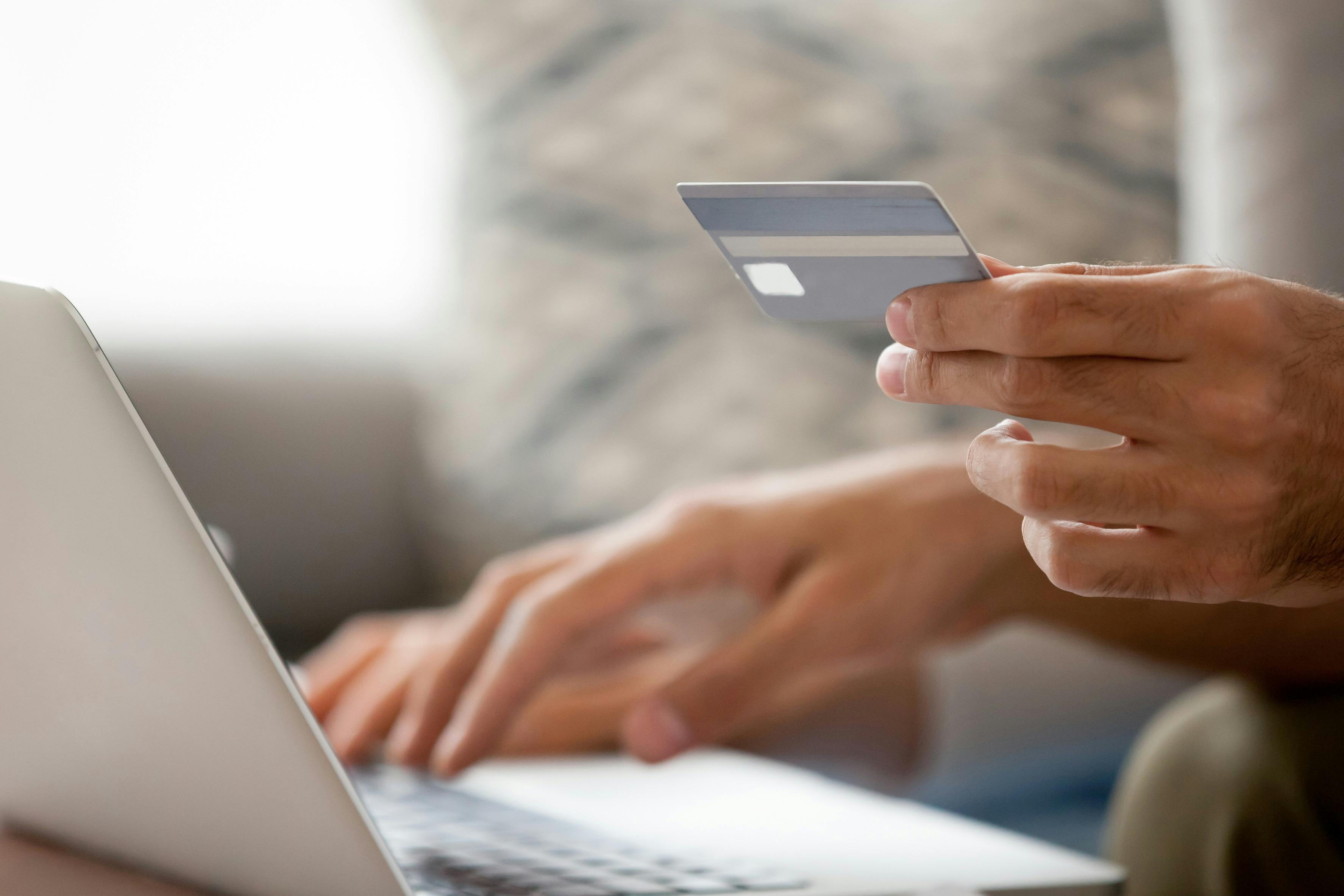
When a customer makes an online purchase, the payment is processed directly through the payment service provider you’ve chosen. The provider handles the transaction, including security checks and fund transfers, without requiring an intermediary merchant account.
Setting up these online payment gateways is generally straightforward. Many providers offer plugins or APIs that can be easily added to popular e-commerce platforms, such as Shopify, WooCommerce, or Magento. The fees are usually structured on a per-transaction basis, with no monthly charges, making it a cost-effective option for businesses of all sizes.
How to Accept Card Payments in Person Without a Merchant Account
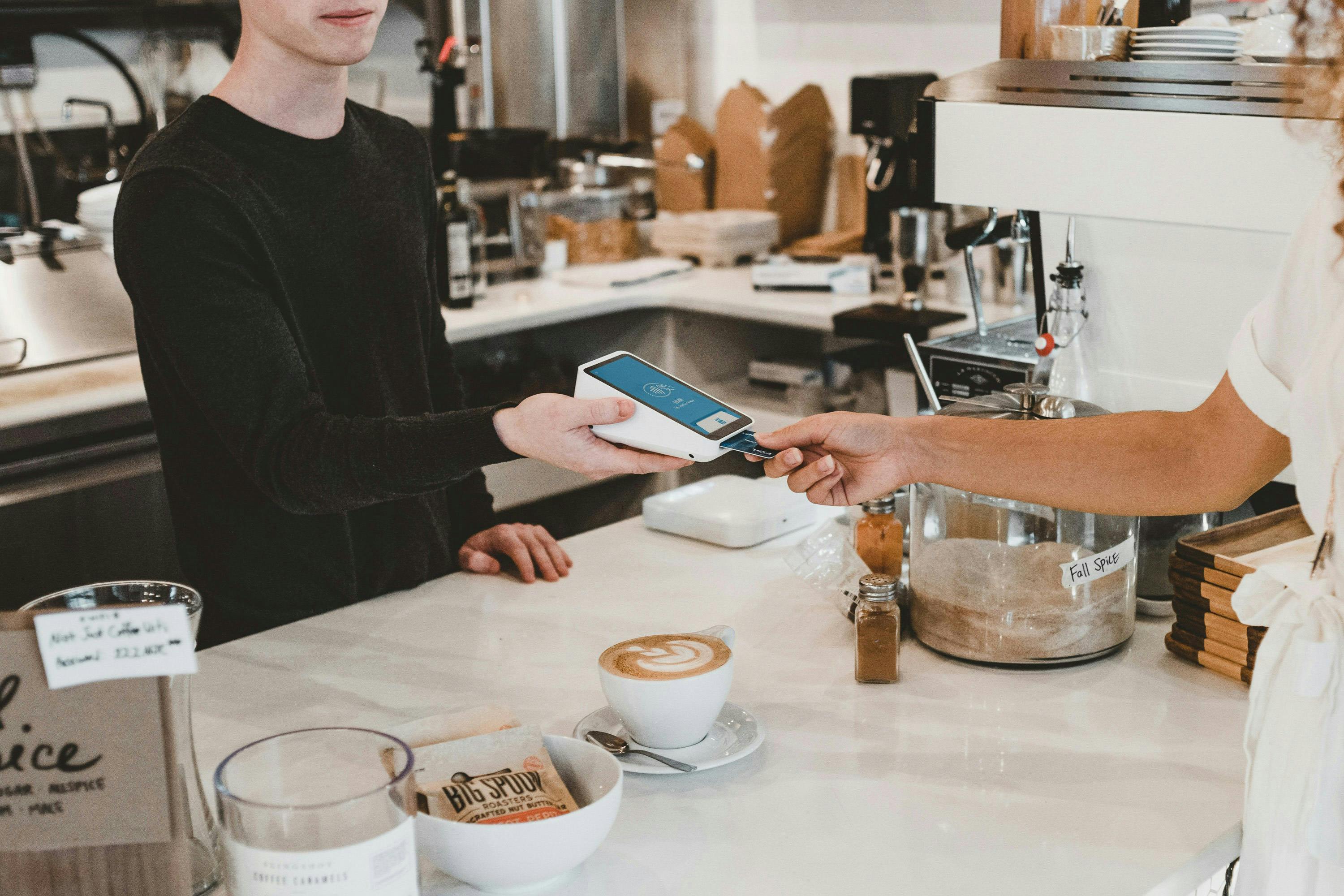
For businesses looking to accept card payments in physical locations, modern Point of Sale (POS) systems and mobile card readers offer a straightforward solution that eliminates the need for a traditional merchant account. These devices work directly with payment service providers like Square, Stripe, or PayPal to handle all aspects of the transaction.
When a customer pays by card, the modern POS system or mobile card reader processes the payment through the associated payment service provider. This bypasses the need for a separate merchant account, streamlining the transaction process and often providing quicker access to funds.
How to Accept Mobile Payments in Person Without a Merchant Account
The ability to pay can now be extended to such payment methods as Google Wallet and Apple Pay. By touching their phone against your device - be it a point-of-sale device or even with the right software, your mobile phone or tablet - they can make a payment quickly and securely. Google and Apple encrypt all data for extra security, to give your customers additional peace of mind.
For those who don't want a merchant account of their own, there are an ever-growing number of ways to make payments to you quickly, securely, and in compliance with Payment Card Industry (PCI) guidelines. And if the sheer volume of information on this subject feels overwhelming, that’s where SwitchPal can help! We have a panel of trusted payment processors and can help make your transition to taking card payments as easy as possible. The future is coming; can you afford not to make this leap?
Start taking card payments now
Related Guides & Tools
A Guide to Merchant Accounts
Unlock the potential of your business with our guide to merchant accounts: essential for seamless transactions and financial management.
How to Accept Card Payments Online
Maximise your online business potential by accepting card payments securely and effortlessly. Learn how in our comprehensive guide.

A Guide to Mobile Card Readers: Which is Right for You?
Discover the best mobile card readers for your business needs. Explore features, compatibility, and pricing to find the perfect option for seamless transactions.
Guides & Tools
Get In Touch
© Switch Pal Limited 2026
All rights reserved. Switch Pal Limited is registered in England & Wales: 12545529
Registered address: 66 Paul Street, London, EC2A 4NA
Made with 💜 in London, UK