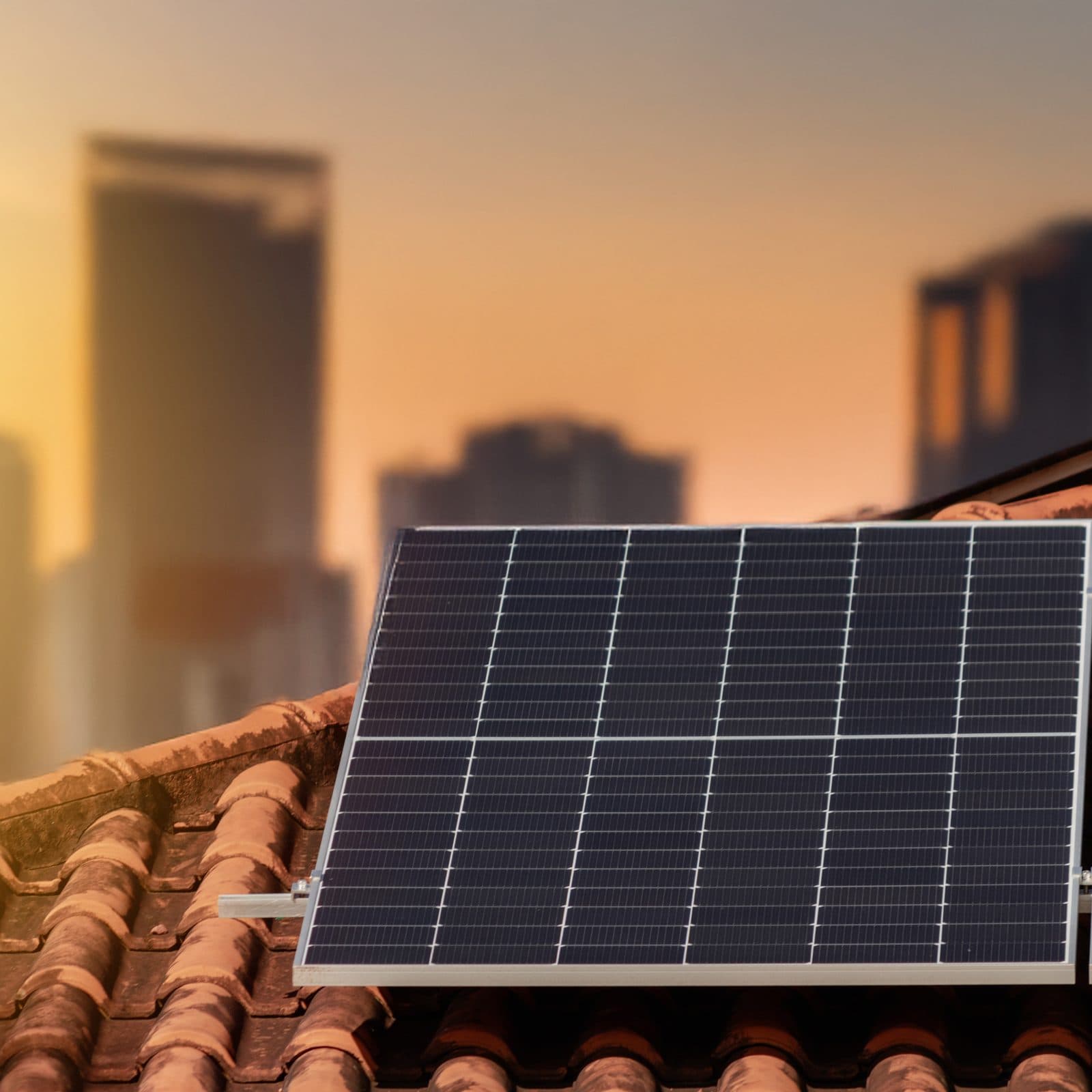
Home Solar.
Find the best solar panels & batteries for your home.
We can help you find the best solar panels and battery storage for your home - cutting your energy bills and your carbon footprint.
Free, no-obligation quotes from accredited installers
Your Home
Tell us your postcode and a little about your property
Get Quotes
Receive quotes from trusted solar installers
Choose
Compare and pick the right system for your home
The Easy Way to Get a Home Solar Quote
Pop in your postcode and a few details about your home - roof, property size and whether you want battery storage - and you’ll get a free quote tailored to your house.
An expert will then talk you through what the quote covers - panel sizes, warranties, prices and any grants you may be eligible for - so you know exactly what you’re getting.
There’s no obligation, and your home is surveyed before anything is agreed.
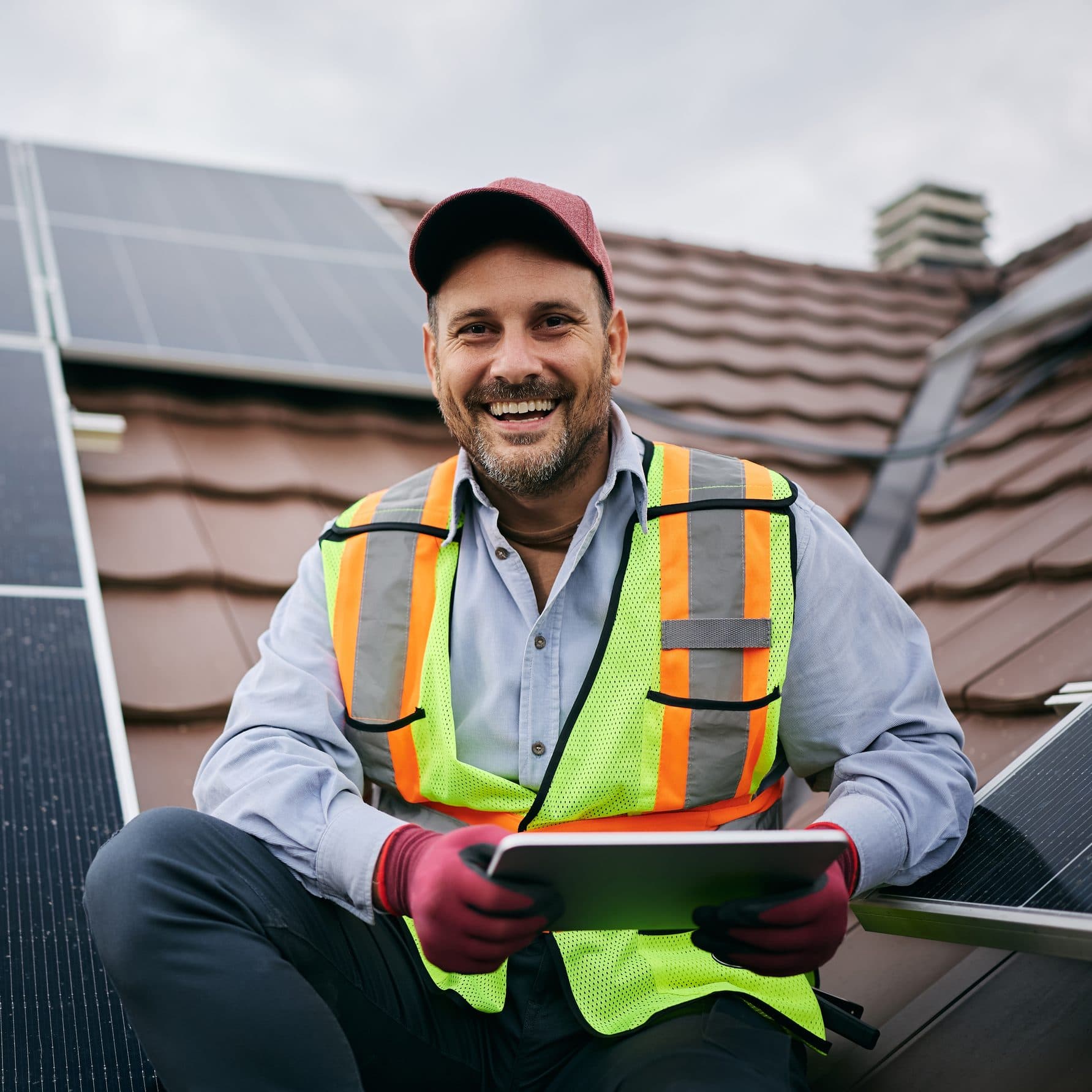
What Are the Benefits of Solar for Your Home?
Solar panels turn daylight into electricity you don’t have to buy from the grid - and the sums add up faster than ever.
A typical home system can cover a large share of your annual electricity use, cutting bills from day one. Add a battery and you can store daytime power for the evening peak.
Panels also raise your home’s EPC rating, and you can earn money for the electricity you export through the Smart Export Guarantee.
How Much Do Solar Panels Cost?
What you pay depends on the size of the system, whether you add a battery and how straightforward your roof is.
- A typical 3-4kW system for a three-bedroom home costs a few thousand pounds, less than it did a few years ago
- Adding battery storage costs more up front but lets you use far more of what you generate
- VAT on domestic solar panels and batteries is currently 0%
- Most homes see their panels pay for themselves well within their 25-year lifespan
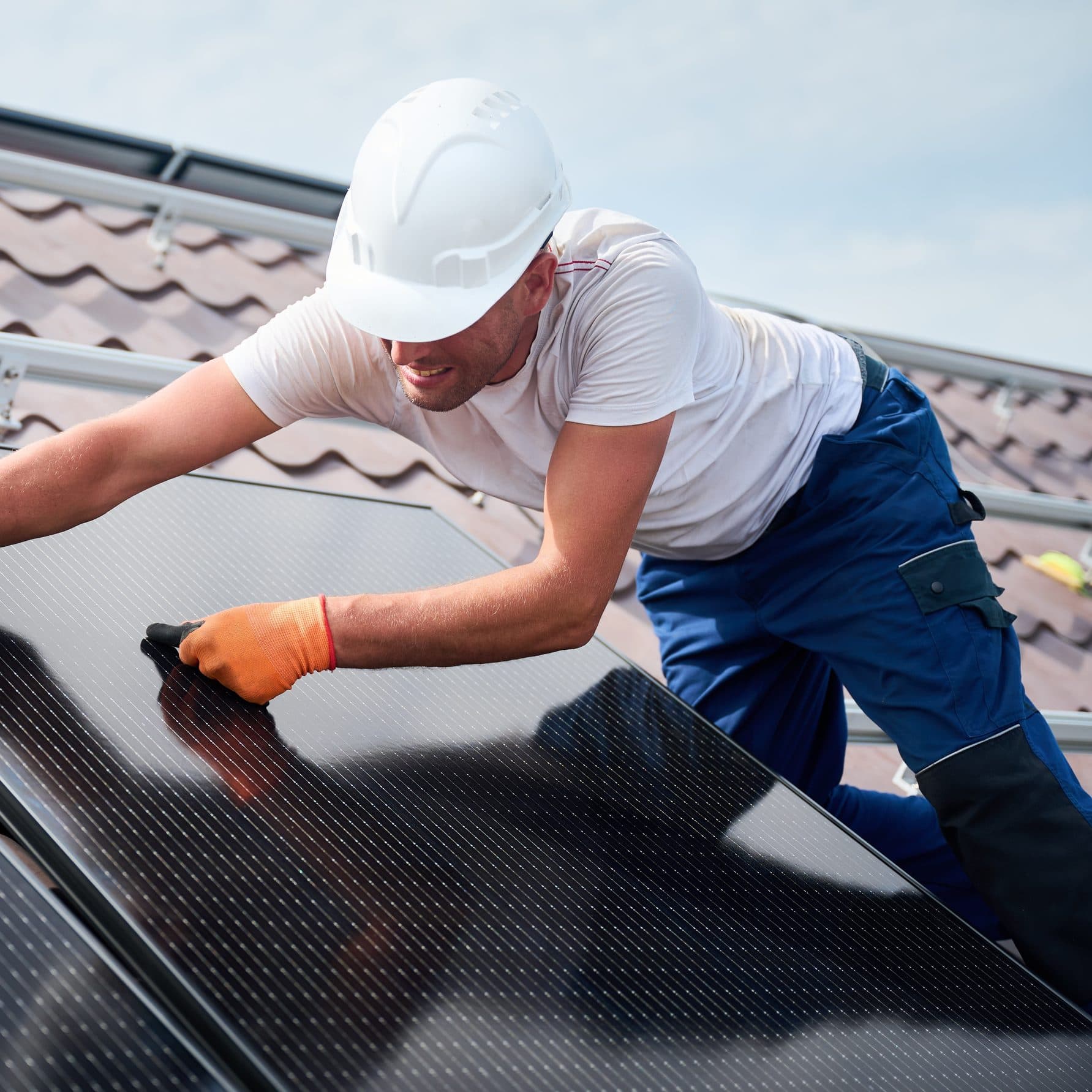
Do I Need Planning Permission for Home Solar?
In most cases, no - solar panels on houses are usually allowed under permitted development rights.
Panels must not stick out too far from the roof and there are extra rules for listed buildings and homes in conservation areas, so it’s worth checking with your local council if you think either applies.
Your installer will also register the system with your electricity network operator - you don’t need to do anything.
Subscribe Now!
Save money with the best deals emailed straight to you
Latest tips and guides
Business news and updates
Guides

Solar Panels for Your Home: Costs, Savings and Is It Worth It?
Discover the cost of installing solar panels in the UK, how much you could save on your energy bills, and whether it’s a worthwhile investment for your home.

Home Solar Battery Storage Explained: Is It Worth It?
Learn how home solar batteries work, their costs and benefits, and whether storing your own solar energy is a worthwhile investment for your household.

How Many Solar Panels Do I Need? A Guide to Sizing Your Home System
Learn how to calculate the right number of solar panels for your home by considering your energy use, roof size, and location.

How to Choose a Solar Panel Installer: A Homeowner’s Checklist
Choosing a solar panel installer is a major decision. Our checklist covers the essential steps, from verifying accreditation to comparing quotes and understanding warranties.
Frequently Asked Questions
How much can solar panels save on my energy bills?
It depends on the size of your system, which way your roof faces and how much of the electricity you use at home. A typical three-bedroom house with a 3-4kW system can cover a large share of its annual electricity use, and adding a battery lets you use much more of what you generate rather than exporting it.
Do I need planning permission for solar panels on my house?
Usually not. Solar panels on houses are normally covered by permitted development rights, as long as they don't project too far from the roof. Listed buildings and homes in conservation areas have extra rules, so check with your local council if either applies to you.
Is a battery worth it?
A battery stores the electricity your panels make during the day so you can use it in the evening, when most homes use the most power. It costs more up front, but if you're out during the day it can make a big difference to how much of your own power you actually use.
Can I get paid for the electricity I export?
Yes. Under the Smart Export Guarantee, licensed suppliers must offer a rate for the electricity you send back to the grid. Rates vary between suppliers, so it's worth comparing them once your system is installed.
How long do solar panels last?
Most panels are warrantied for 25 years and keep working well beyond that, losing only a small fraction of their output each year. Inverters typically need replacing once during that time, and batteries carry their own warranty of around 10 years.
How long does installation take?
A typical home installation takes one to two days once the survey and scaffolding are sorted. Your installer registers the system with your electricity network operator, so there's nothing you need to arrange yourself.
Guides
Get In Touch
© Switch Pal Limited 2026
All rights reserved. Switch Pal Limited is registered in England & Wales: 12545529
Registered address: 66 Paul Street, London, EC2A 4NA
Made with 💜 in London, UK